
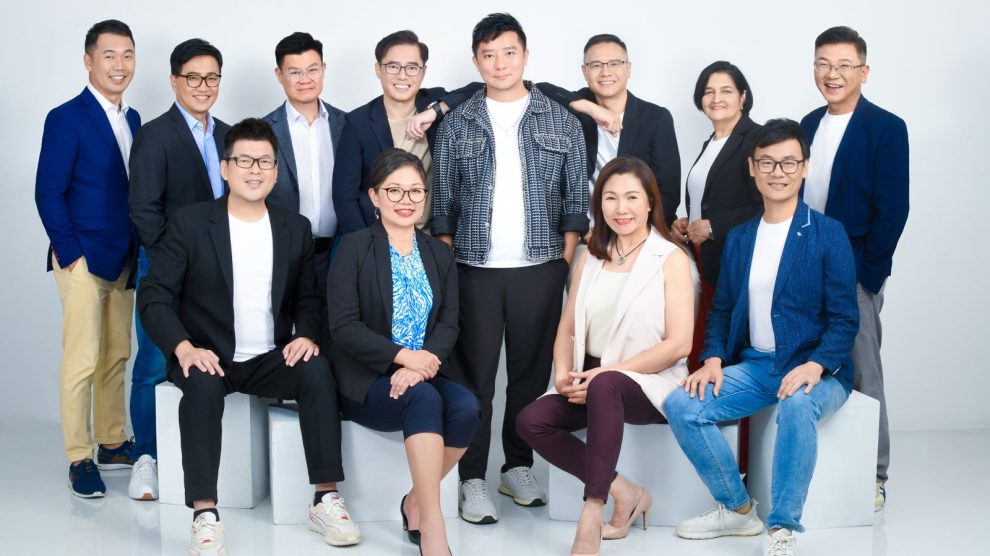
A mid-career switch to real estate often begins with one simple thought: “There must be more than this.” After years in a stable career, many professionals start to question whether their current path still gives them the growth, income potential, flexibility, and purpose they want. The job may not be bad. The company may not be the problem. But deep down, there may be a feeling that the next ten years cannot look exactly like the last ten. That is when real estate starts to become an option. For many mid-career professionals in Singapore, real estate represents more than a new job. It represents a chance to build a career with more ownership, more direct connection between effort and results, and more room to grow beyond a fixed role. But making a mid-career switch to real estate is not something to take lightly. This is not a shortcut to quick money. It is not simply about flexible hours or attractive commissions. Real estate is a people business, a sales business, a trust business, and most importantly, a self-driven business. The question is not only, “Can I become a real estate agent?” The better question is: “Am I ready to build a business around my own discipline, relationships, and growth?” Why Mid-Career Professionals Are Drawn to Real Estate Many people consider a mid-career switch to real estate because they feel limited in their current career. In a traditional job, your growth may depend on promotion cycles, company budgets, available leadership roles, or decisions made by management. Even if you work hard, there may still be a ceiling. Real estate feels different because your progress is more directly connected to your effort, consistency, client relationships, market knowledge, and ability to create value. For mid-career switchers, this can be very attractive. They may want: A career with stronger income potential More flexibility in managing their time A path where effort can directly affect results A chance to build a personal client base A more people-focused and meaningful career A second career chapter with more ownership A way to turn experience into long-term business value However, real estate is not suitable for someone who only wants freedom without responsibility. The freedom is real. But the responsibility is also real. When you enter real estate, you are no longer just completing tasks assigned by a company. You are learning how to create your own opportunities, manage your own pipeline, build your own reputation, and stay consistent even before results appear. That shift is what makes the career both exciting and challenging. A Career Switch Is Not Starting From Nothing One of the biggest fears people have when switching careers is the idea of starting from zero. This is especially true for someone who has already spent many years building experience in another industry. But a mid-career switch to real estate does not mean your past experience disappears. In fact, your previous career may give you a strong foundation. If you worked in sales, you may already understand follow-up, objections, and relationship building. If you worked in finance, banking, or insurance, you may already understand numbers, planning, and trust-based advisory. If you worked in customer service, you may already know how to listen and handle different personalities. If you worked in management, you may understand responsibility, planning, and performance. If you worked in education, you may be good at explaining complex information clearly. If you ran a business, you may already understand discipline, uncertainty, and long-term building. All of these skills matter in real estate. A property decision is rarely just about the property itself. It often involves family needs, financial planning, lifestyle changes, investment goals, timing, and emotional pressure. Clients need someone who can listen, explain, guide, and help them feel more confident about their next move. This is where mid-career professionals can stand out. You may be new to real estate. But you are not new to people, pressure, responsibility, or decision-making. That difference matters. The Biggest Change: From Employee Mindset to Business Owner Mindset A mid-career switch to real estate requires more than learning property terms and passing an exam. It also requires a mindset shift. In a salaried role, there is usually a structure already prepared for you. You know your job scope, working hours, reporting line, monthly salary, and performance expectations. In real estate, the structure is very different. No one may force you to prospect. No one may force you to follow up. No one may force you to create content. No one may force you to study the market. No one may force you to attend training. But if you do not take action, your business does not move. This is why real estate is not just a job. It is closer to running your own business. You need to manage: Your time Your leads Your client conversations Your marketing Your learning Your emotions Your income expectations Your daily discipline This can feel uncomfortable at first, especially if you are used to a stable monthly salary and a fixed work structure. But for people who want more ownership, this is also the opportunity. You are no longer waiting for someone else to decide your growth. You are learning how to build it yourself. RES Is the Entry Point, Not the Whole Journey In Singapore, aspiring real estate salespersons must go through the proper RES pathway before practising. The RES course and examination are important because real estate is a regulated profession. Agents need to understand rules, responsibilities, professional conduct, and transaction processes. But passing RES is only the entry point. It gives you permission to enter the industry. It does not automatically teach you how to build a real estate career. Many new agents only realise this after passing. They begin asking: Where do I find my first client? How do I introduce myself as a new agent? What should I say when people ask about the market? Should I focus on HDB, private property, rental, resale, or new launches? How do I follow up without sounding pushy? How do I build trust when I am new? What should I do every day if I have no appointments yet? These questions are part of the real journey. That is why mid-career switchers should not only plan for the RES exam. They should also plan for what happens after RES. The exam helps you enter. The right support system helps you begin properly. What You Should Prepare Before Switching A mid-career switch to real estate should not be made purely out of frustration. It should be planned. Before making the move, it is important to think through a few key areas. 1. Financial Runway Real estate income is usually commission-based. This means your income may not come in evenly every month, especially at the beginning. Before switching, ask yourself how many months of savings you have, what your monthly commitments are, and whether you can handle a period of income uncertainty. A clear financial runway gives you breathing space to learn, build, and take action without making desperate decisions. 2. Family Support For many mid-career professionals, career decisions do not affect only themselves. They may also affect their spouse, children, parents, or household commitments. Having honest conversations with family can make the transition smoother. When the people around you understand the journey, it becomes easier to stay focused during the early stage. 3. Learning Mindset Even if you have years of experience, real estate is still a new industry. You must be willing to learn again, ask basic questions, attend training, make mistakes, and improve. This humility is important. The people who grow faster are often not those who pretend to know everything. They are the ones who are teachable. 4. Daily Discipline In real estate, consistency matters more than short bursts of motivation. You need to build habits around prospecting, learning, follow-up, content, client meetings, and market updates. The early stage may feel slow, but the right daily actions create long-term momentum. 5. The Right Team Environment The team you join can shape your early experience. A supportive environment can help you understand what to do, what to avoid, how to speak to clients, and how to keep improving. For mid-career switchers, this matters because time is valuable. You do not want to spend months guessing your way through the industry. The First Few Months Can Shape Your Confidence The beginning of a real estate career is often the most emotionally challenging stage. You may feel excited after passing RES. Then reality starts to appear. You need to tell people about your new career. You need to start conversations. You need to build trust from scratch. You need to learn the market quickly. You need to manage rejection. You need to keep showing up even when results are not immediate. For someone coming from a stable career, this can be a big adjustment. You may be used to being competent in your previous industry. Suddenly, you are a beginner again. That can feel uncomfortable. But it is also normal. The key is not to expect instant confidence. Confidence is built through action, repetition, guidance, and small wins. This is why the first few months should not be random. A new agent needs a clear structure, such as: Weekly activity targets Client conversation practice Market knowledge training Personal branding direction Follow-up systems Mentor reviews Exposure to real client scenarios Accountability to stay consistent When you know what to do next, the journey becomes less overwhelming. Why Mentorship Matters After a Mid-Career Switch Mentorship is important because real estate cannot be learned only from theory. You can study the rules. You can memorise processes. You can pass the exam. But real client situations require judgement. How do you speak to a client who is unsure? How do you explain options without overwhelming them? How do you handle objections? How do you prepare for a viewing? How do you follow up professionally? How do you stay calm when a deal becomes complicated? These are things that become clearer through real experience and proper guidance. A mentor cannot guarantee your success. But a mentor can help you avoid unnecessary confusion. For mid-career switchers, this is especially valuable because you may have more responsibilities and less time to wander without direction. Good mentorship helps you focus on the right actions, not just more actions. It gives you perspective when things feel slow. It helps you understand what is normal. It keeps you accountable when motivation drops. It helps you build confidence through clearer steps. Sometimes, the biggest difference is not talent. It is whether someone had the right guidance early enough to keep going. Real Estate Today Requires Digital Confidence The real estate industry has changed. Clients today are more informed. They search online, compare agents, watch property videos, read market updates, and form impressions before reaching out. This means modern agents need more than traditional sales skills. They need to build visibility. A new agent should learn how to use digital platforms to educate, connect, and build trust with potential clients. This may include: Social media content Property videos Market updates Client education posts Listing presentations Personal branding Follow-up messages Simple lead management systems AI tools can also support new agents by helping with content ideas, captions, client communication drafts, market talking points, and daily workflow planning. But digital tools are only useful when they support real human trust. Clients still need sincerity, clarity, professionalism, and sound judgement. The strongest agents are not the ones who only use the most tools. They are the ones who use tools to become more consistent, more organised, and more valuable to clients. For mid-career switchers, this is encouraging. You do not need to be the most tech-savvy person from day one. You just need to be open to learning modern ways of building trust and staying visible. Is Real Estate the Right Career for You? A mid-career switch to real estate can be rewarding, but it is not suitable for everyone. It may be suitable for you if you are willing to: Learn continuously Speak to people consistently Build relationships over time Manage uncertainty Handle rejection professionally Stay disciplined without being pushed Take responsibility for your own results Treat real estate like a business, not a side experiment It may not be suitable if you are looking for guaranteed income, fixed working hours, or an easy escape from your current job. Real estate can give you flexibility, but it also demands accountability. It can offer income potential, but it also requires patience and consistency. It can become meaningful, but only if you are willing to serve clients properly and build trust over time. The question is not whether real estate is good. The question is whether you are ready for the kind of person this career requires you to become. How DP Fraternity Supports Career Switchers At DP Fraternity, we understand that a mid-career switch to real estate is not just a professional decision. It is a personal one. Many career switchers are not simply looking for a new job. They are looking for a new direction. But starting in real estate can feel confusing without the right support. That is why DP Fraternity focuses on helping aspiring and new agents start with more clarity, structure, and confidence. The support is designed to help new agents understand what comes after RES and how to begin building their business in a practical way. This includes guidance in areas such as: Understanding the real estate industry Preparing for the transition after RES Building a clear new-agent action plan Learning client communication skills Developing personal branding Using digital and AI tools for marketing support Creating better follow-up habits Staying accountable during the early stage Learning from real market experience Growing within the wider PropNex ecosystem DP Fraternity does not position real estate as an easy career. Instead, the focus is on helping serious individuals enter the industry with realistic expectations and the right foundation. Because when you are making a mid-career switch, motivation alone is not enough. You need direction. You need structure. You need people who can guide you through the early stage. Final Thoughts A mid-career switch to real estate can be a powerful decision when it is made with clarity. It gives you the chance to build a career with more ownership, more flexibility, and more direct connection between effort and results. But it also requires preparation. You need to understand the RES pathway. You need to prepare financially. You need to build new habits. You need to learn how to manage clients, conversations, content, and your own mindset. You need to accept that confidence will come through action, not before action. Most importantly, you need the right environment. Your past career is not wasted. The experience, maturity, communication skills, and discipline you have built can become valuable strengths in real estate. You are not starting from nothing. You are starting with everything you have already learned, and learning how to apply it in a new industry. If you are considering a mid-career switch to real estate, take the time to understand the journey properly. Ask honest questions. Prepare yourself. Choose your team carefully. At DP Fraternity, we believe that a career switch should not begin with confusion. It should begin with clarity, mentorship, and a practical path forward. Your next chapter may not be about leaving your past behind. It may be about using your past experience to build something stronger. Frequently Asked Questions 1. Is a mid-career switch to real estate a good idea? A mid-career switch to real estate can be a good idea if you are willing to learn, manage uncertainty, communicate with people, and build the business consistently. It is not suitable for those looking for quick income or an easy career change. 2. Do I need sales experience to enter real estate? Sales experience can help, but it is not compulsory. Many mid-career professionals bring useful skills from finance, customer service, management, education, marketing, or business. The key is learning how to apply those skills in real estate. 3. What is the first step to becoming a real estate salesperson in Singapore? The first step is to understand the RES pathway. Aspiring real estate salespersons need to complete the required RES course, pass the RES examination, and register through a licensed estate agent before practising. 4. What is the hardest part of switching to real estate? For many career switchers, the hardest part is adjusting from a structured salaried job to a self-driven business. You need to manage your own time, leads, learning, follow-up, and income expectations. 5. How can DP Fraternity help new real estate agents? DP Fraternity supports aspiring and new agents through mentorship, practical training, digital and AI tools, personal branding guidance, client follow-up systems, and access to the wider PropNex ecosystem.

POP Institute Review – I Thought I Was a Good Leader, Until POP Showed Me What I Was Missing
The Numbers Always Made Sense… Until They Didn’t I’ve spent most of my life living by logic. I’m Daniel. I’m 48. A finance director. My world is built around spreadsheets, quarterly targets, and strategic forecasts. At work, I know what to expect. I lead teams, present confidently to the board, and make decisions that move millions. But at home? I’m just… there. My wife carries the emotional weight. My teenage kids talk to her, not me. I used to convince myself this was normal. That being the provider was enough. Until one night, over another silent dinner, my wife looked at me and said, “You lead hundreds at work, but no one here really knows you.” That hit me. A few days later, I bumped into an old friend I hadn’t seen in years. He looked lighter. Happier. More connected. He told me he had just come back from the POP Institute’s Communication Mastery workshop. He said something that stuck with me: “It changed the way I lead at work, love at home, and live in my own skin.” That night, I couldn’t stop thinking about it. His transformation was real. Tangible. And something inside me whispered, “You need this.” So I signed up. Not just for my wife. Not even for my kids. I think, deep down, I did it because I didn’t want to feel like a stranger to myself anymore. My Unexpected POP Institute Review I walked into the room expecting structure. Frameworks. Maybe slides on conflict resolution. Instead, the facilitator asked us: “Who in your life needs you to show up, not solve things?” That question landed like a punch. We did exercises I found awkward. We roleplayed difficult conversations. When it was my turn, I chose to reenact a talk with my son. I found myself repeating lines I say too often: “Focus on your grades.” “Don’t waste time.” Then I paused. And out came something I hadn’t planned: “I don’t know how to talk to you. But I want to learn.” That was the first time I felt something move in my chest. I felt human. I wrote my POP Institute review later that night in the hotel room: “I’ve been told I’m a great leader. But I’ve failed where it mattered most — with the people I love.” Small Shifts, Real Changes I didn’t return home a different man. But I came back open. I asked my wife about her day, and actually listened without checking my phone. I messaged my daughter something silly, just to make her laugh. I invited my son for a walk without a lecture waiting at the end of it. At first, the responses were polite. Awkward. But they came. My daughter sent me a GIF. My son said yes to a second walk. My wife reached out for my hand on the couch, without needing to say anything. At work, I led differently too. Less command. More conversation. The real return on investment from POP? A seat at my own dinner table — not just as the man who pays the bills, but as the man they now want to talk to. Redefining What Success Means Most POP Institute reviews talk about transformation. Mine is simpler. I didn’t change. I remembered. I remembered that leadership isn’t just about systems, it’s about showing up. That presence is louder than any PowerPoint. That connection isn’t earned by results, but by realness. I still wear suits. Still hit targets. Still live in numbers. But now, my son speaks to me about his fears. My daughter texts me when something funny happens. And my wife says she finally feels like she has a partner again. If you’re reading this POP Institute review wondering if it’s worth it — I can’t promise you an instant breakthrough or checklist of results. But I can tell you this: It’s the first place in years where I took off the tie, said less, and felt more. And that made all the difference.

【吕秀金 Pop Workshop 心得】一位单亲妈妈与儿子的关系修复旅程
白天在職場被冷眼對待、晚上還要和青春期孩子冷戰,我曾以為人生就是這樣天天撐下去 我是小霖的媽媽,今年 38 歲,沒錯,我是一位單親媽媽。白天我在超市當主管,要處理經理煩人的指令、客人的投訴、同事的情緒,還有一堆瑣碎的雜事;下班後,還得趕著回家煮飯、盯功課、陪青春期的孩子長大。 聽起來好像很能幹?但其實我真的非常累。每天都像打仗,職場是一場戰爭,回到家又是另一場戰爭。 有一段時間,我和小霖幾乎每天都在吵。我要他做功課,他回我一句:「妳又在煩我了。」我問他怎麼了,他甩頭就走。他離家出走過兩次,第二次我整整一晚沒睡,開著客廳的燈、握著手機,一邊狂刷交友平台、怕他出事,一邊哭。那時候甚至想報警,可是連一個能聯絡的朋友都找不到。 我不是沒努力,我只是快撐不下去了 很多人看著我,半是佩服、半是嘲諷地說:「妳很厲害咧,還能一邊上班一邊帶孩子。」但只有我自己知道,其實我的內心早就失去了方向,也完全不在乎別人怎麼看,根本沒那個精力去理會那些有的沒的。我曾經想像,我們母子可以像朋友那樣聊天、互相支持,但現實是,我們講不到三句話就火藥味十足,像爆炸糖遇到口水一樣,馬上炸開。 那時我真的開始懷疑自己——是不是我做得不夠好?是不是我根本就不適合當媽?最可怕的是,我連好好哭的時間都沒有。哭完還得擦乾眼淚去上班、去開會、還要笑著面對客人。 我以為我需要一套育兒方法,結果先處理好的,是我自己的心 有一天我滑手機的時候,看到有人在分享 Pop Institute 的工作坊,說是呂秀金老師創辦的。有人說參加完後,內心被打開、釋懷了;也有人批評太情緒化、不夠科學。說實話,我本來也不太相信這類活動,但那時候的我真的累到極限,看到那句話——「願意面對自己的人,才有可能修復關係」,我心裡突然有種觸動。 我沒有跟任何人說,連兒子我也只講了一句:「媽最近要上個課。」我只是想,哪怕只有一點點希望,也想試試看,會不會有什麼不一樣。 第一次,我在一個地方不用當「堅強媽媽」 Pop Workshop 那幾天,我沒有帶小霖,是我自己一個人去的。但也是那幾天,我第一次放下「我應該是誰」、「我應該做什麼」,只是安靜、誠實地面對自己。 我發現,其實不是我不想跟孩子好,是我太害怕失敗。怕我一軟下來,他就會更反叛;怕我一退一步,整個家就會崩潰。所以我只能咬著牙撐,把「媽媽」當成一副盔甲,越用力去愛,他反而離我越遠。 直到那時我才明白,其實我也需要被抱一抱、被聽一聽。不是以「媽媽」的身分,而是以一個單純的「自己」。 經過這次的經歷,我們終於有了第一次的連結 他一開始很抗拒,但我只跟他說:「你不用改變什麼,我只是想陪你一起去。」他愣了一下,然後點了頭。 在那幾天,他第一次願意好好表達情緒,不再用大聲吼叫來掩飾。在交流的環節,他試著跟我說:「我一直以為妳只會罵我,不會聽我說話。」我也終於說出口:「不是我不愛你,是我太害怕你學壞、太怕你走丟。」 那一刻,我們不再是對立的母子,而是兩個終於願意傾聽彼此的人。 回到日常,生活還是忙碌,但心開始變得柔軟 他還是偶爾會不耐煩,我還是會嘮叨。但我們開始願意說出真心話,吵架的時間也短了,冷戰變少了,他有時甚至會主動幫我做點家事。還會跟我說:「媽,妳也要早點睡,不要累壞了。」 對我來說,這不只是什麼育兒技巧,而是我們終於知道彼此在怕什麼、在想什麼。 寫給每一位快撐不住的媽媽 我知道你也很努力。白天當員工、當主管,晚上當廚師、當老師,還要裝得很堅強、不能崩潰。 你不是不夠好,只是太久沒有聽聽自己內心的聲音了。你值得有一個空間,先把自己放下、重新呼吸、重新感受。 你不一定會立刻變成完美媽媽,但你可以帶著更多的清醒和柔軟,回到那個你努力守護的家。 請你記得,你不是一個人在撐。就算你曾經懷疑自己,覺得快沒路了,也還有可能——重新走近你最愛的人。

Is Pop Workshop 邪教 or a Confidence Boost? How 吕秀金 Helped Me Grow
Hey, what’s up, everyone? I’m an 18-year-old guy who’s been through some cool stuff, and I want to tell you about my time with Pop Workshop. It all started when I was 13, that awkward age where you’re still figuring out who you are. My mum dragged me to my first session with POP Institute Pte Ltd, and I wasn’t happy about it. Who wants to spend their weekend at a workshop instead of gaming or hanging out with friends? But honestly, it ended up being one of the best things in my life. I remember walking into that first Pop Workshop feeling nervous, hands in my pockets, wondering if I’d fit in. The vibe there was relaxed, though, and I started to feel okay pretty quick. After a few sessions, I noticed a change—I wasn’t as shy anymore. I stood a little taller and spoke up more. That confidence followed me to school too. I’d raise my hand in class and share my thoughts without worrying what others thought. It felt like I’d unlocked something new in myself. Stepping Up with Debate and 吕秀金’s Book One big change came when I joined my school’s debate club. Before Pop Workshop, I was the quiet kid who stayed in the back and avoided attention. But after a while, I thought, “Why not try it?” I did, and I loved it. Standing on stage, making my points, hearing my voice fill the room—it was exciting. I even started going to 比赛, like small school debates and bigger regional ones. I stopped stumbling over words and started owning it. Sometimes I’d even win, which felt unreal. Then there was this moment with a book by 吕秀金. I was reading it one day, and her words really hit me. It wasn’t boring or pushy—it felt honest and made me believe I could do something big. That’s when I realized Pop Workshop wasn’t just about showing up; it was about finding out who I could be. After that, I saw myself differently. I used to think I wasn’t good enough, like I didn’t have much to offer. But sticking with POP Institute Pte Ltd helped me feel comfortable with myself—at school, with friends, or just on my own. It really helps me in building my self confident I’ve seen people online call it “Pop Workshop 邪教,” like it’s a cult or something. I get why—it’s different and intense, not like regular school stuff. But for me, it was never about that. It was about finding my voice and realizing I didn’t have to stay small or quiet. My mum forced me into it at 13, and I was annoyed back then, but now I’m so glad she did. It’s been an amazing journey, and I wouldn’t change it.